


Emergency Dental Care in North York
Fast care for urgent dental problems.
Dental problems can become painful or stressful quickly. Prompt dental care can help identify the problem and determine the right next step.
Dentistry at Sullivan provides emergency dental care for patients with urgent dental concerns, including those from North York and surrounding areas.

Same-Day Emergency Dental Appointments
If a dental problem comes up suddenly, you may not want to wait several days for a regular appointment.
Dentistry at Sullivan offers same-day emergency appointments when availability allows. Appointment times depend on the clinic schedule.
When you call, explain what happened and how you're feeling so the team can determine the appropriate next step.
When Should You See an Emergency Dentist?
Some dental problems can wait for a regular appointment. Others should be assessed as soon as possible.
You may need urgent dental attention for:
-
Severe tooth pain or toothache
-
A broken or cracked tooth
-
A knocked-out permanent tooth
-
A dental injury or facial trauma
-
Swelling around the gums, jaw, or face
-
Signs of a dental infection or abscess
-
Bleeding that continues after an injury
-
A painful or damaged crown or filling
-
Sudden pain when biting or chewing
Swelling around a tooth or jaw can be a sign of infection and should not be ignored.
If you have severe facial swelling, trouble breathing or swallowing, or a serious facial injury, seek emergency medical attention immediately.
If you're unsure whether your problem needs urgent attention, describe your symptoms when you call.


What Should You Do Before Your Appointment?
A few simple steps can help protect the affected area until you are seen.
Severe Toothache
Rinse your mouth gently with water. Avoid anything that makes the pain worse and try not to chew on the affected side.
Do not place aspirin directly against your tooth or gums, as it can irritate the tissue.
Knocked-Out Tooth
If a permanent tooth has been knocked out, hold it by the crown, not the root. If it is dirty, gently rinse it without scrubbing.
Keep the tooth moist and seek dental attention right away. If possible, place it back in the socket without touching the root. If that is not possible, keep it in milk, between the cheek and gums, or in a tooth-preservation product.
Broken or Cracked Tooth
Save any pieces you can find. Rinse your mouth gently with water and avoid chewing on the damaged side.
If the tooth is painful or has a sharp edge, arrange an examination as soon as possible.
Dental Bleeding
Place clean gauze or a clean cloth over the area and apply steady, gentle pressure.
If bleeding is heavy or does not stop, seek urgent medical attention.
Swelling or Possible Infection
Do not ignore swelling around a tooth, gum, jaw, or face. It can be a sign of infection or an abscess.
Arrange dental attention promptly. Severe swelling that affects breathing or swallowing requires emergency medical care.
What Happens During Your Emergency Dental Visit?
The first step is finding out what is causing the problem.
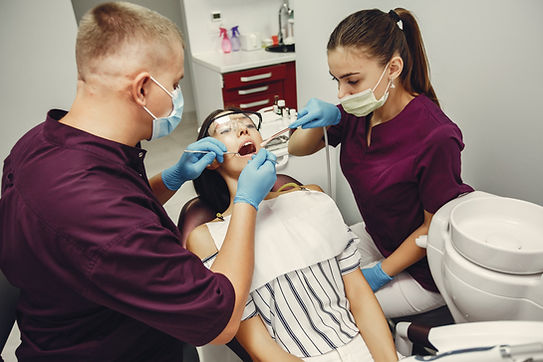
During your appointment, Dr. Sepideh Maleki and the dental team will discuss your symptoms and examine the affected area.
Dental X-rays may be taken to check areas that cannot be fully assessed during an examination. If more detail is needed, our CBCT 3D imaging can provide a three-dimensional view of the teeth, jawbone, and surrounding structures.
The examination and imaging, when needed, can help determine:
-
Where the problem is coming from
-
Whether there is infection or damage
-
How seriously the tooth has been affected
-
Whether the tooth can be restored
-
Which treatment options may be appropriate
You will receive an explanation of the findings and recommended next steps before treatment is planned.

How Are Dental Emergencies Treated?
Treatment depends on what caused the problem and the condition of the tooth.
Depending on your needs, treatment may include:
Dental Fillings
A filling can repair certain areas of decay or tooth damage while protecting the remaining tooth structure.
Root Canal Treatment
A root canal may be recommended when the pulp inside a tooth is infected or severely inflamed. In suitable cases, this can help preserve the natural tooth.
Dental Crowns
A crown can restore a weakened or badly damaged tooth when enough healthy tooth structure remains.
Tooth Extraction
An extraction may be considered when a tooth is severely damaged, badly infected, or cannot be safely restored.
Treatment for Dental Infections
The appropriate treatment depends on the source and extent of the infection. Options may include drainage, root canal treatment, extraction, or other care.
Damaged Crowns or Fillings
A loose, broken, or missing restoration may need to be repaired or replaced. The condition of the tooth underneath will help determine the next step.
The recommended option will be explained before treatment begins.

Emergency Dental Care for North York Patients
Dentistry at Sullivan welcomes patients from North York and surrounding areas who need urgent dental attention.
The clinic is located in Scarborough at Unit 102, 3123 Sheppard Ave E, near Highway 404.
Free parking is available at the clinic.
Emergency Dental Costs & Insurance
The cost of an urgent dental visit depends on what is found during the examination and which services you need.
Your visit may involve:
-
Emergency dental examination
-
Dental X-rays
-
CBCT 3D imaging when required
-
Dental filling
-
Root canal treatment
-
Dental crown
-
Tooth extraction
-
Follow-up care
You may not need all of these services, and some problems may require more than one appointment.
Before treatment begins, the recommended care and associated costs can be discussed with you.
If you have dental insurance or Canadian Dental Care Plan (CDCP) coverage, mention this when booking. Coverage depends on your eligibility and the services provided. The Government of Canada notes that CDCP may cover eligible emergency exams and other dental services, but it may not cover the full amount charged by a provider.